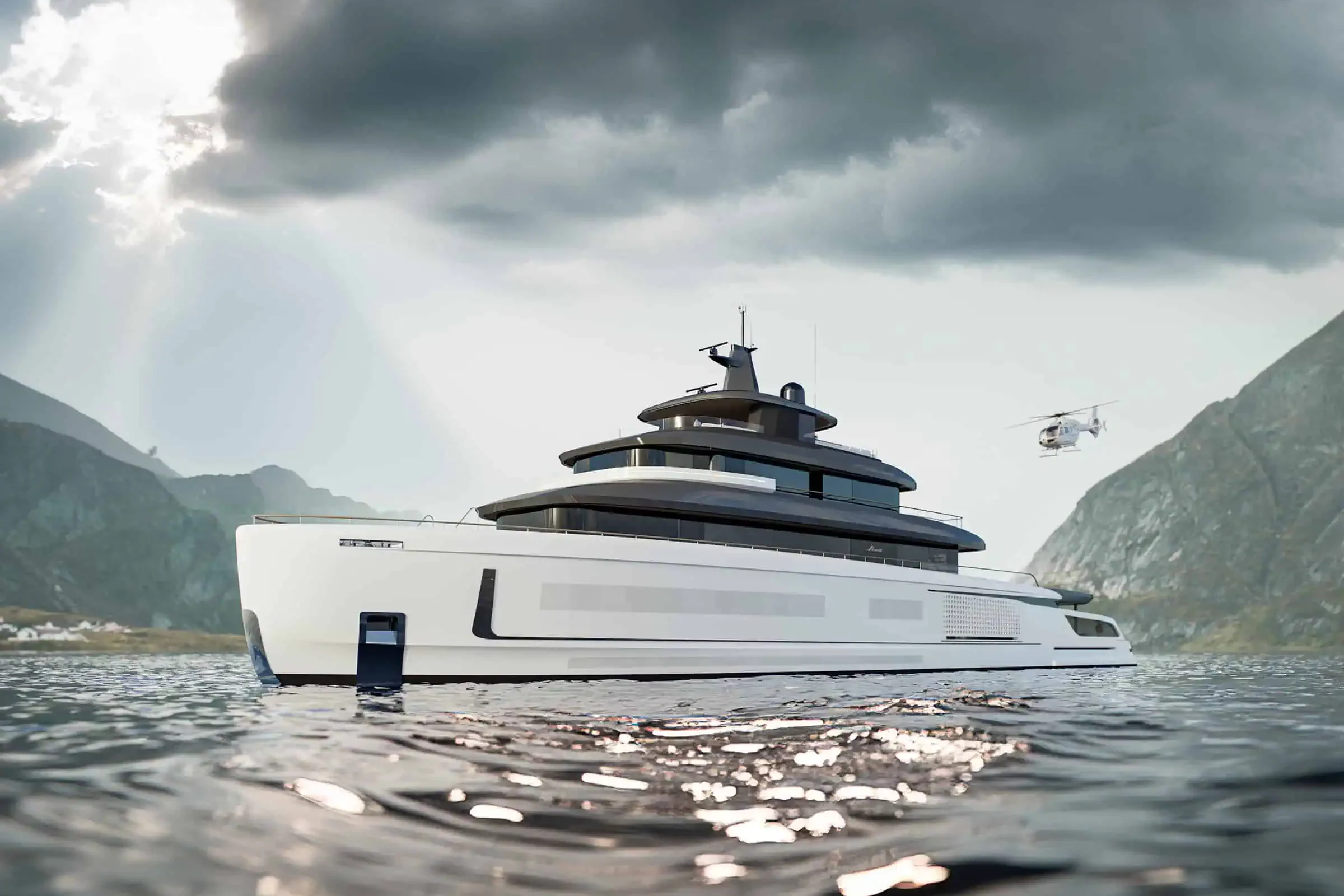
SeaNet en el Festival Náutico de Cannes 2025
Una celebración de la propiedad inteligente y el lujo sin fisuras
Este septiembre, SeaNet volvió al Festival Náutico de Cannes, uno de los escaparates de excelencia náutica más esperados de Europa, y una vez más, resultó ser el escenario ideal para compartir nuestra visión del futuro de la propiedad de yates.
Desde nuestro stand en SYE 112, en la Superyacht Extension, dimos la bienvenida a invitados, clientes y compañeros del sector para que experimentaran cómo SeaNet sigue siendo líder en copropiedad, matchmaking y gestión integral de yates. Las conversaciones fueron centradas, significativas y orientadas al futuro, el tipo de encuentros que definen Cannes.
Nuestra presencia en el festival subrayó lo que siempre hemos creído: el verdadero lujo no consiste en el exceso, sino en la experiencia. Se trata de hacer la propiedad más inteligente, las asociaciones más fuertes y cada momento a bordo sin esfuerzo.
Gracias a todos los que nos visitasteis en Cannes. Estamos deseando aprovechar la energía y los contactos establecidos en el salón y seguir convirtiendo los sueños náuticos en realidades estructuradas y exitosas.

SeaNet SuperYachts limits each yacht to a maximum of six shareholders, ensuring a controlled ownership structure and long-term stability. Each owner holds a clearly defined equity share, with usage allocated proportionally and contractually, while all operational, technical, and administrative matters are handled centrally by SeaNet.
Importantly, co-owners do not manage the yacht collectively. There is no requirement for coordination, discussion, or decision-making between owners. SeaNet SuperYachts acts as the single point of contact, assuming full responsibility for yacht management, crew, planning, and operations. This structure is specifically designed to remove the complexity, friction, and governance dynamics commonly associated with shared assets, a critical consideration for ultra-high-net-worth individuals who value discretion, efficiency, and complete operational detachment.
Annual yacht usage is structured across three clearly defined cruising seasons: the Mediterranean shoulder season (May to early June and early September to mid-October), the Mediterranean main season (mid-June to early September), and the winter season (from 23 December to 5 March). Each season is divided into six planning slots, corresponding to the maximum number of shareholders and ensuring balanced access across the calendar.
For a 1/6 ownership share, each individual co-owner is allocated 32 days of yacht usage per year, comprising 10 days during the Mediterranean shoulder season, 12 days during the Mediterranean main season, and 10 days during the winter season. The number of days per season is fixed and proportionate to ownership, while the specific calendar dates are selected annually through a contractually defined rotating priority system. This rotation ensures fairness over time and allows owners to select their preferred dates within each season according to their priority position for that year.
Crucially, both usage and planning flexibility scale proportionally with ownership level. Owners seeking increased time on board and greater freedom in planning may acquire two 1/6 shares (33.33%) or three 1/6 shares (50%). Beyond the additional days of use, larger ownership stakes provide materially greater flexibility in date selection and seasonal prioritization, a level of practical flexibility that, in reality, often exceeds how most sole owners actually use their yachts.
At the 50% ownership level, the experience approaches sole ownership in terms of availability, autonomy, and spontaneity, with one fundamental distinction: only 50% of the acquisition cost and annual operating expenses are borne by the owner. Rather than creating complexity, professionally structured co-ownership replaces perceived freedom with clear, predictable, and realistically usable access, aligned with how ultra-high-net-worth individuals actually allocate their time.
When combined with professional third-party management by SeaNet SuperYachts, this model removes operational burden from individual owners, ensures continuity in crew and service standards, and eliminates dependency on charter as a cost-optimization tool. It also enables cruising patterns that are rarely feasible under sole ownership, such as regular winter operations in the Caribbean or Bahamas, with costs shared proportionally among owners.
After more than nine years of active operation, SeaNet SuperYachts experience is consistent: charter optimizes costs reactively, while co-ownership optimizes ownership structurally. Co-ownership is not about owning less, it is about aligning ownership with real-world usage, prioritizing time over idle capacity, and choosing a structure that delivers clarity rather than complexity.
For ultra-high-net-worth individuals, the scarcest resource is not capital, it is usable, well-planned time.